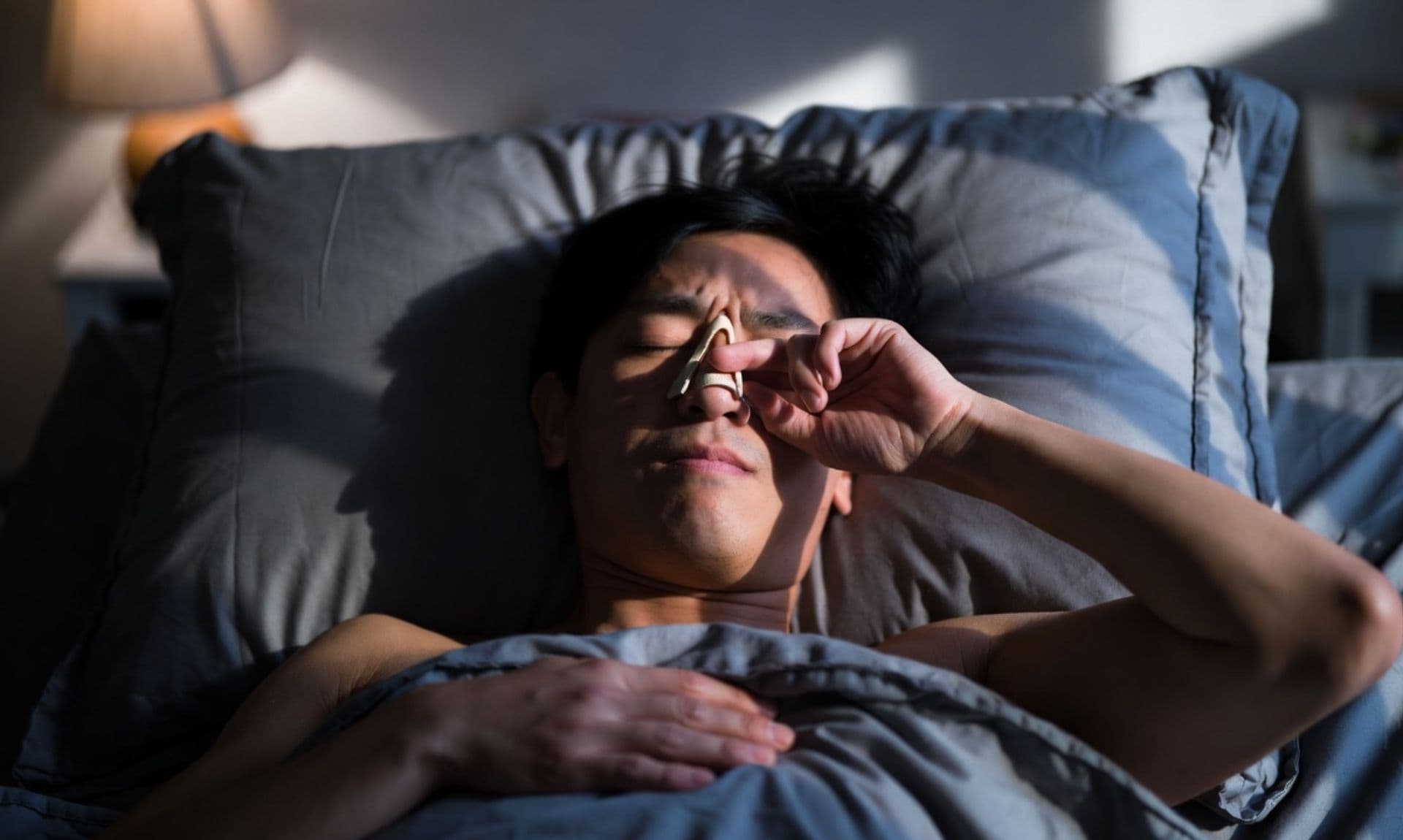
Stop settling for restless nights and midday fatigue caused by restricted airflow. While you may be exploring how to fix a deviated septum without surgery, clinical evidence shows that structural blockages often require a medical assessment.
We provide factual information on whether a surgery for a deviated nasal septum in Singapore is appropriate for your specific condition. To help you decide if deviated septum surgery is worth it, we offer clear clinical guidance and total transparency regarding the cost of surgery.
Deviated Nasal Septum is a condition where one nasal passage is narrower than the other. This is due to the central cartilage and bone (known as the nasal septum) separating the left half and right half of the nasal passages being twisted or bent, due to trauma being inflicted upon the nose or asymmetrical facial growth. However, a deviated nasal septum can be serious and cause severe breathing problems, disrupting daily breathing and sleeping.
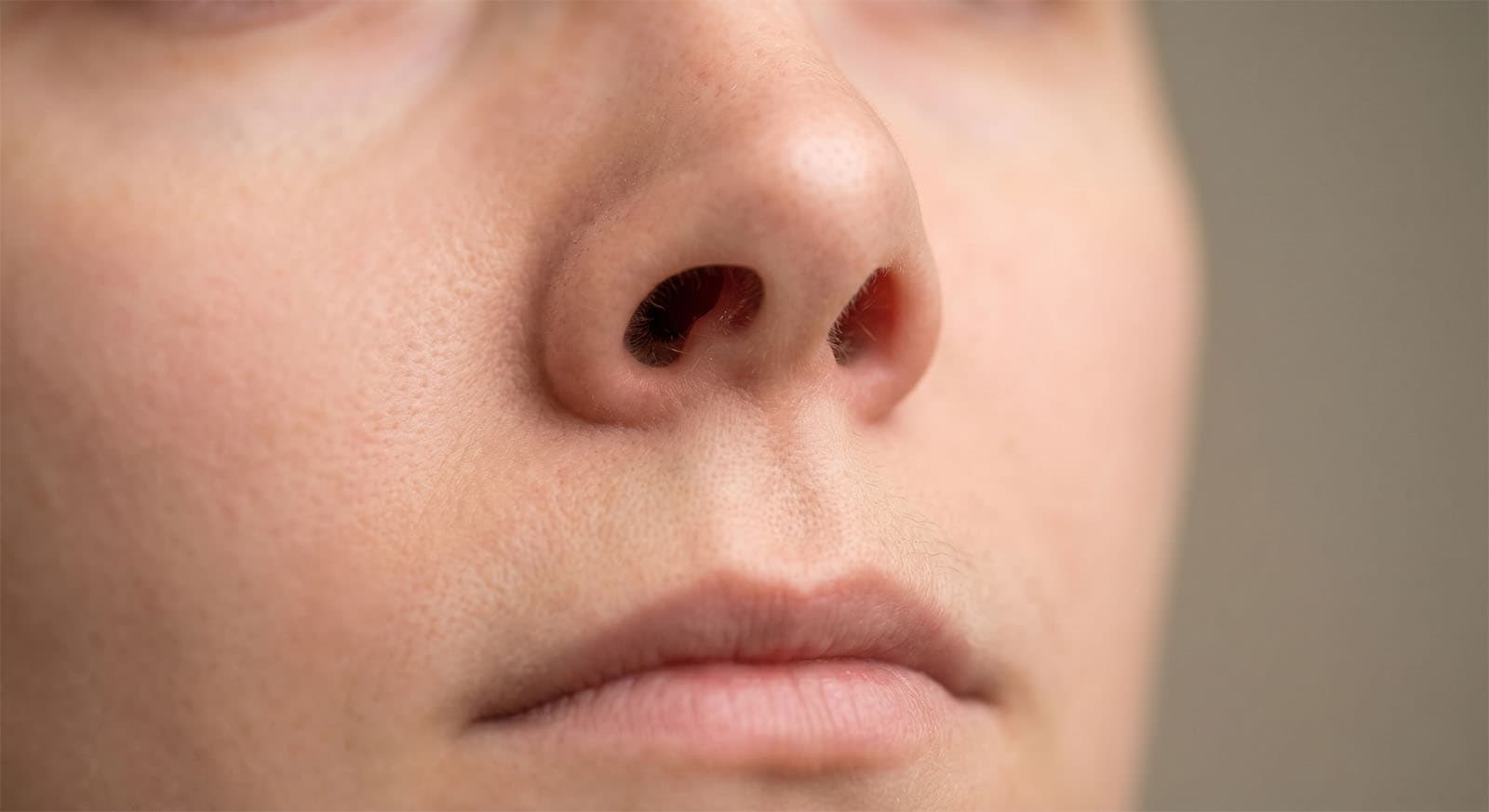

A deviated nasal septum is actually a common occurrence. Many Singaporeans are born with a slight deviation of the nasal septum, which is the cartilage and bone separating the left and right nasal passages. It is commonly ignored, unless the deviation is quite significant and affects their nasal breathing.
A deviated nasal septum can occur from birth, but can also be acquired throughout life during facial skeletal growth. For those related to birth, due to the pressure of the delivery process at birth, a deviated nasal septum can develop.
However, many people do develop a deviated nasal septum later in life due to injury during sports or getting into an accident. In these cases, the nasal bone or cartilage can be fractured, and the nasal septum is forced to shift or be displaced.
Some causes of a deviated nasal septum in Singapore may include:
Blockages in any one side of the nose, or both sides
Facial tension and pain
Repeated sinus infections
Frequent nosebleeds
Rhinitis and sinusitis
Postnasal drip
Difficulty breathing through the nose
Snoring
Utilising the latest surgical techniques, we provide assessment for several related conditions that can co-exist with nasal septal deviation:
While many in Singapore are born with slight structural irregularities, certain groups are significantly more susceptible to developing severe blockage that requires specialised clinical intervention:
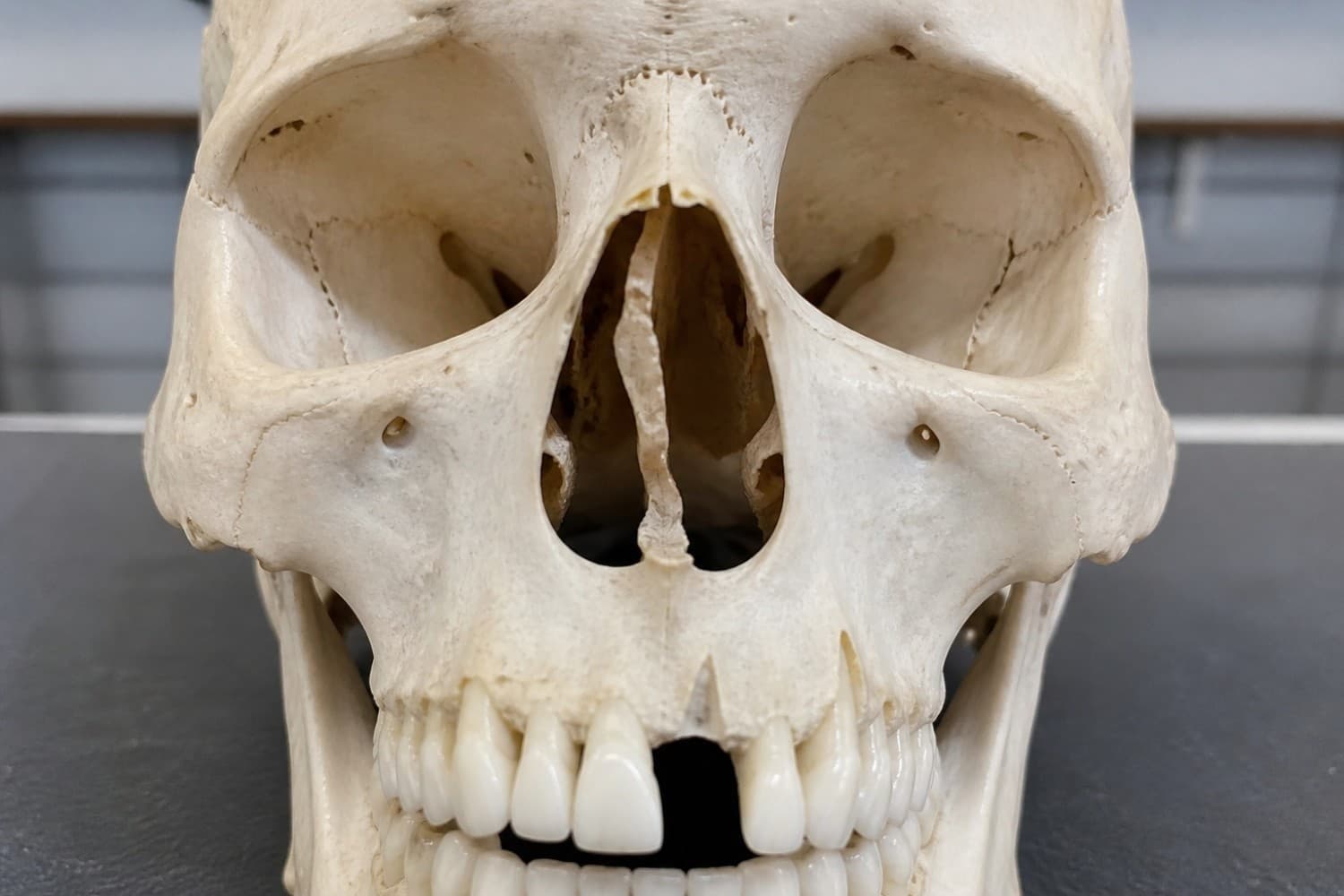
In Singapore, a deviated nasal septum is typically treated through surgery. This is common when the patient is experiencing ongoing severe difficulty and discomfort. During surgery (septoplasty), your doctor will reposition the nasal septum to a more central position within the nasal cavity. You may choose to undergo a septoplasty for a more permanent solution.
For those who are not experiencing serious symptoms, your doctor may prescribe medications to help manage your condition if surgery is not an option for you.
Antihistamines
Nasal Decongestant Sprays
Steroid Nasal Sprays
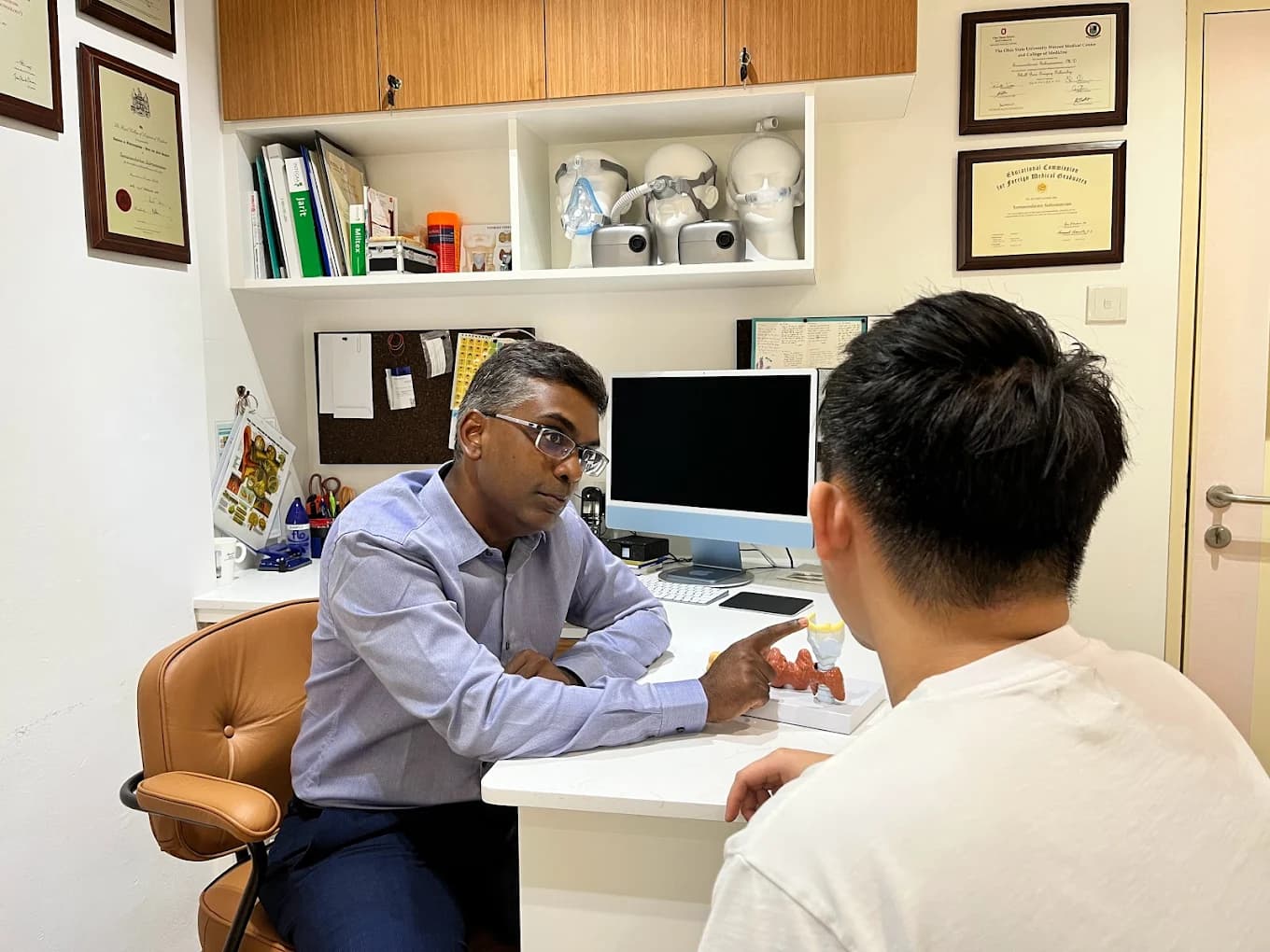
A deviated nasal septum is diagnosed through a physical examination of your nose by your ENT doctor. He or she will confirm your symptoms and make a deduction as to the possibility of a deviated septum.
Either using an instrument like a nasal speculum or the preferred, more comprehensive option of nasal endoscopy, your doctor will check your nasal cavity for any signs of deviation by inserting it into your nose. This can be checked by comparing the sizes of the nasal passages to see if one is narrower than the other. You should also inform your doctor of any habits you have developed to counter this issue, such as sleeping only on one side.
from
$6,500
By definitively addressing the systemic inflammation driving your condition and precisely removing anatomical blockages, our advanced clinical approach provides profound improvements to your daily life:


Before: You feel like one side of your nose is always "off" or blocked. No matter how much you blow your nose or use sprays, the air just doesn't flow through properly.
After: The wall inside your nose is straightened, allowing air to move freely through both sides. You will breathe easier when you take a deep breath.

Before: You probably breathe through your mouth at night, which leads to heavy snoring and waking up with a dry throat. You often feel "foggy" or tired by lunchtime.
After: You can breathe quietly through your nose while you sleep. This leads to deeper rest, so you wake up feeling sharp, clear-headed, and ready for your day.
Before: You might be worried about hidden costs or stressed about how to use your insurance at a private specialist.
After: Our team handles all the insurance forms, Medisave claims, and paperwork for you, so you know exactly what to expect from day one.
Dr. Soma is a Senior Consultant ENT Specialist exclusively accredited by the Singapore Ministry of Health and the Singapore Medical Council.
He is positioned as the solution for the "Failed Patient," specifically targeting complex revision surgeries for those whose previous treatments elsewhere were unsuccessful.
Dr. Soma was a pioneer in the Singapore public sector for the latest surgical techniques, which optimise safety and cosmesis.
Our clinic removes administrative stress by entirely handling insurance paperwork, Letters of Guarantee, and Medisave claims for you.
To make accessing top-tier specialist care as easy as possible, our clinics are conveniently located across Singapore at Paragon Medical Centre (Orchard) and Parkway East Specialist Hospital (Joo Chiat).
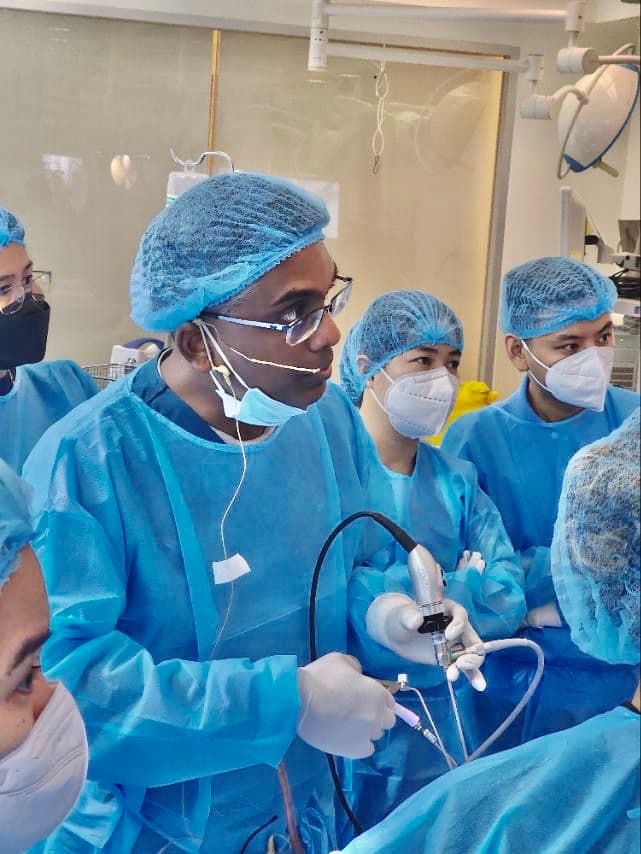
To ensure a smooth transition from surgery to restorative sleep and peak professional performance, follow these direct recovery guidelines:
Keep your head elevated with 2–3 pillows for the first 48 hours to minimise swelling and congestion.
Refrain from heavy lifting, contact sports, or vigorous exercise for at least 2 weeks to prevent nosebleeds.
Use prescribed saline rinses to keep the nasal passages clean and moist, without forcefully blowing your nose.
Stay clear of aspirin or supplements that increase bleeding risks unless specifically instructed by Dr Soma.
Avoid dusty or smoky areas that can irritate the healing nasal lining.
If you must sneeze, do so with your mouth open to prevent pressure build-up in the nasal cavity.
Adhere strictly to the antibiotic or pain relief regimen provided to prevent infection.
From obtaining a Letter of Guarantee (LOG) from your insurer to securing a pre-authorisation certificate, we’ll do the necessary paperwork for you.
Shield Plans:



Corporate Plans:




A comprehensive, unhurried clinical evaluation with Dr Soma, a USA-Trained Senior ENT Consultant and specialist in advanced rhinology.
An in-depth review of your nasal structure, medical history, and a diagnostic flexible nasoendoscopy to visually map your deviation and uncover exactly why previous treatments failed. This includes the diagnosis of other missed diagnoses that may be contributing to your symptoms.
A personalised, step-by-step clinical assessment, focusing on minimally invasive techniques to restore unrestricted airflow and restorative sleep.
If you are tired of restless nights and seeking a permanent structural fix through deviated nasal septum surgery in Singapore, our dedicated medical concierge team is ready to provide the advanced care and seamless administrative support you demand.
If you are tired of waking up tired because you can't breathe properly, then fixing the cause of the blockage is often the best way to get your life back. Many people find it is worth it because they can finally stop using sprays that only work for a little while and start enjoying deep, restful sleep every night.
The average price for deviated nasal septum surgery in Singapore (Septoplasty) typically starts from $6,500. This base cost generally covers the surgical procedure but excludes initial specialist consultations, diagnostic nasoendoscopy, anaesthetist fees, and hospital room charges.
Potential complications can include temporary bleeding, minor infection, or a reaction to anaesthesia. Rare risks include a septal perforation (a small hole in the septum) or a slight change in the internal nasal shape.
It is important to understand that a deviated septum is a structural issue involving bone and cartilage; therefore, it cannot be physically straightened without surgery. Non-surgical treatments like nasal steroid sprays, antihistamines, and decongestants can help manage the symptoms of inflammation and allergies, but they do not fix the underlying blockage.
Yes, most Integrated Shield Plans and Medisave cover deviated nasal septum surgery in Singapore because it is classified as a medically necessary functional procedure rather than cosmetic surgery.
Most patients experience a significant improvement in airflow within 5 to 7 days, particularly after any internal splints are removed during the first follow-up visit.
A standard functional septoplasty is performed entirely through the nostrils (vestibular approach) and focuses on the internal structure, meaning it leaves no visible external scars and does not change your outward appearance.
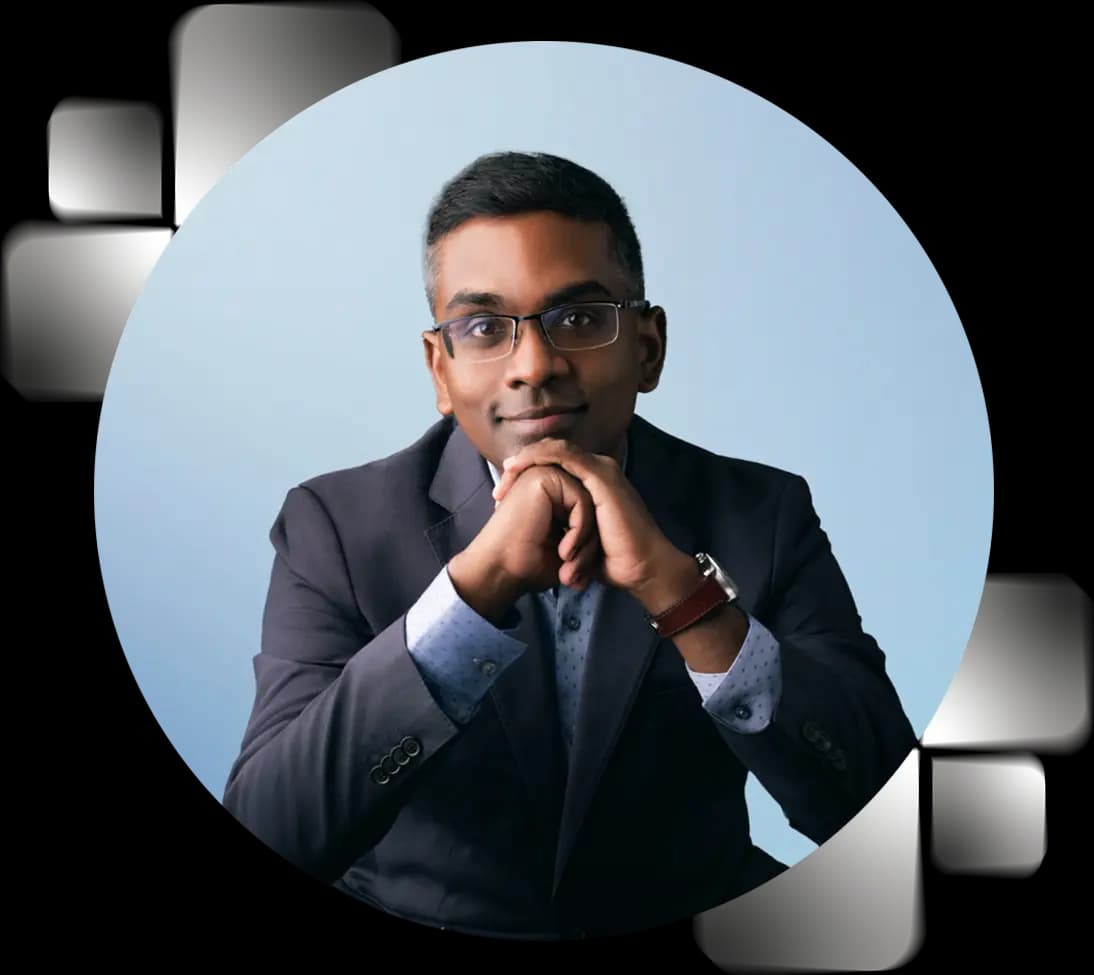
ENT PLUS Specialist Centre Singapore
MBBCh (IRE) | DOHNS (ENG) | MMED-ORL (NUS) | FRCS-ORL (ENG)
Consultant ENT Specialist and Surgeon
Your Partner in Sinus, Allergy and ENT Health
Dr Soma Subramaniam is a MOH-accredited ENT specialist with fellowship training in endoscopic sinus and skull base surgery. He is Past President of the Singapore ENT Society and Founding President of the ASEAN Rhinologic Society. Dr Soma is committed to patient care, teaching, and advancing ENT knowledge through research and training the next generation of specialists.
321 Joo Chiat Place #05-01 Parkway East Specialist Hospital
Singapore 427990
Opening Hours
Monday–Friday: 9am – 5pm
Saturday: 9am – 12.30pm
290 Orchard Road #09-20/21 Paragon Medical Centre
Singapore 238859
Opening Hours
Monday–Friday: 9am – 5pm
Saturday: 9am – 12.30pm
Phone
+65 6517 9760
+65 6320 0310
(Calls only available during clinic opening hours)
+65 9856 8391
(Messaging only for appointment-related matters, no calls)
enquiry@entplus.sg