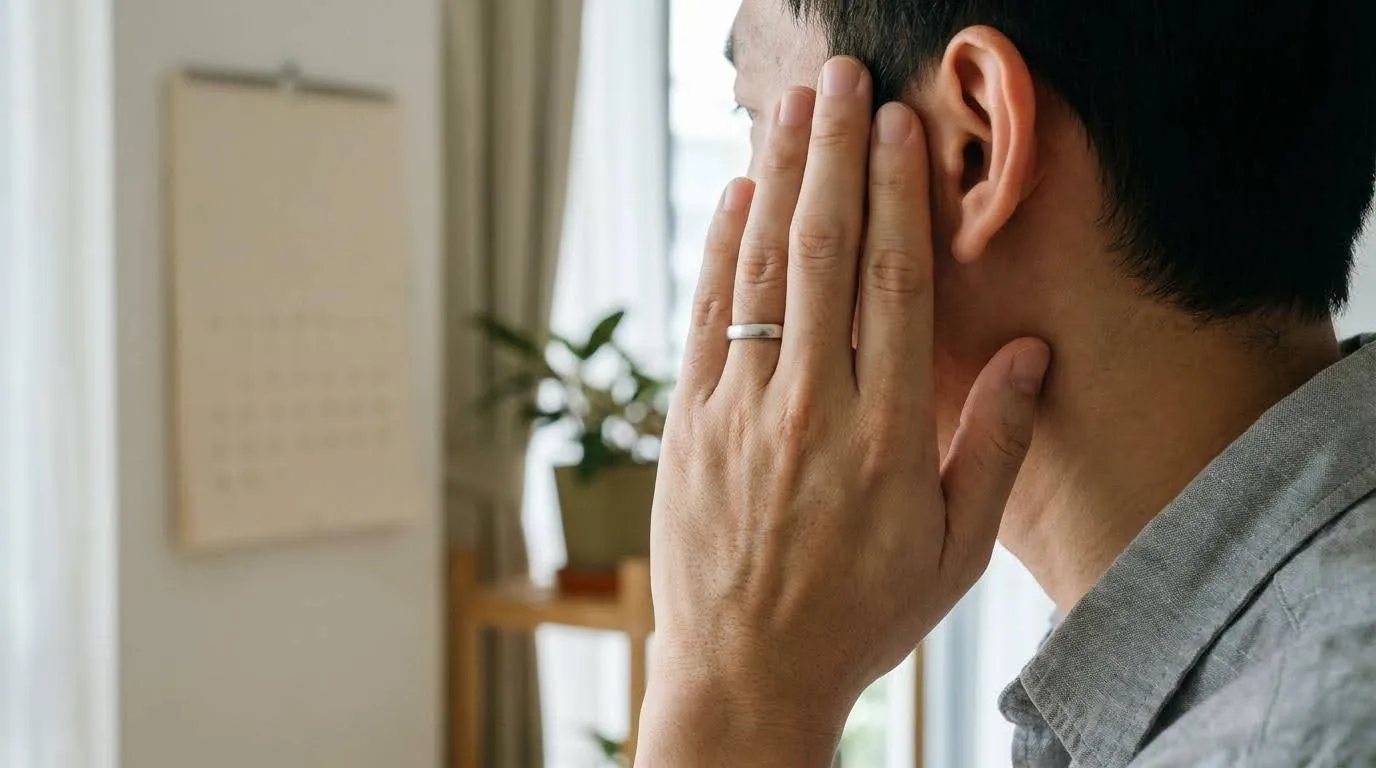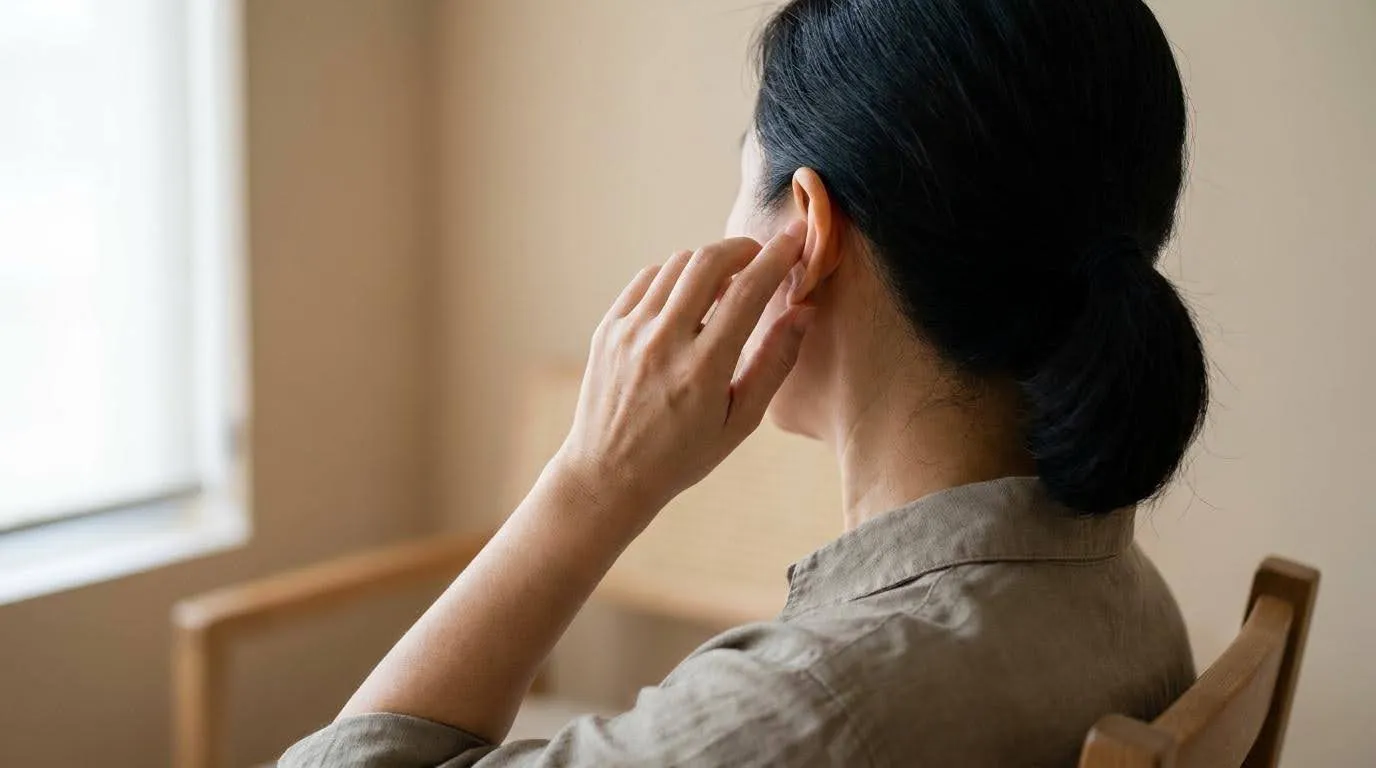


Key Takeaways
- Most mildly blocked ears can be cleared at home with gentle techniques that open the Eustachian tube: swallowing, yawning, chewing, a soft Valsalva, a warm compress or steam.
- A decongestant or antihistamine may help when a cold or allergy is behind the blockage, while softening drops may help when earwax is the likely cause.
- The gentle Valsalva manoeuvre works for many people, but blow softly, never forcefully, and stop if it is painful.
- Never use cotton buds, hairpins or ear candles. Cotton buds push wax deeper, and ear candling is not supported by evidence and can cause burns.
- Impacted wax needs professional removal, and any blockage with pain, discharge or hearing loss, or one lasting beyond a week or two, should be reviewed by an ENT specialist.
Quick Answer
To clear blocked ears, first try gentle Eustachian tube techniques: swallow, yawn or chew, then a soft Valsalva (pinch your nose, close your mouth, blow gently). A warm compress or steam can help a cold. Softening drops suit earwax. See a doctor if it does not settle or there is pain.

First, Match The Method To The Cause
Knowing how to clear a blocked ear is easier once you know what is likely behind it. A blockage from a cold, a flight or a change in altitude usually sits in the Eustachian tube, the small channel that balances pressure behind the eardrum, so the techniques below aim to coax that tube open. A blockage from earwax needs a softening approach instead. If you are not sure which you are dealing with, our pillar guide on why an ear feels clogged but has no wax walks through the common causes.
| Method | Best for | How to do it | Caution |
|---|---|---|---|
| Swallow, yawn, chew | Pressure from colds or flights | Sip water, yawn widely, or chew gum to trigger the tube to open | Gentle and suitable for most people |
| Gentle Valsalva | Pressure that will not settle | Pinch nose, close mouth, blow softly until you feel a light pop | Blow gently, never hard; stop if it hurts |
| Warm compress | Discomfort with a cold or sinus flare | Hold a warm, damp cloth over the ear for 5 to 10 minutes | Warm, not hot, to avoid burns |
| Steam inhalation | Congestion from a cold or allergy | Breathe steam from a bowl of hot water or a warm shower | Keep a safe distance from the hot water and be careful not to be scalded |
| Decongestant or antihistamine | A cold or allergy behind the blockage | Follow the pharmacist’s dosing advice | Ask a pharmacist first; not right for everyone |
| Softening drops | Suspected earwax build-up | A few drops, head tilted with ear up, left for several minutes | Avoid if you have ear pain or discharge |
Gentle Techniques To Open A Blocked Eustachian Tube
If your ear feels blocked after a cold, a flight or a dive in the pool, these are the first things to try. They are simple, cost nothing, and are safe for most people.
Swallow, Yawn Or Chew
Swallowing, yawning and chewing all activate the small muscles that open the Eustachian tube. Take slow sips of water, chew a piece of sugar-free gum, or yawn widely. Guidelines suggest these everyday movements are enough to equalise mild pressure for many people, which is why chewing during take-off and landing is such common advice.
The Gentle Valsalva Manoeuvre
The Valsalva manoeuvre is the most reliable way to clear ear blockage caused by pressure that will not settle on its own. Close your mouth, pinch your nostrils shut, and blow gently, as if blowing your nose against the pinch, until you feel a soft pop as the tube opens.
The important word is gently. Blow softly and briefly, never forcefully, because hard blowing can strain the eardrum. Do not perform it if you have a heavy cold with thick mucus, as this can push infected material the wrong way, and stop straight away if it causes pain.
Warm Compress
A warm, damp flannel held against the ear for 5 to 10 minutes can ease discomfort and help a congested tube relax. Make sure it is comfortably warm rather than hot. This will not shift earwax, but it can soothe the pressure feeling that often comes with a cold.
Steam Inhalation
Breathing in steam helps loosen the mucus that congests the Eustachian tube during a cold or allergy flare. Lean over a bowl of hot water with a towel over your head, or simply sit in a warm shower. Keep a safe distance so the steam feels warm, not scalding.
Medicines That Can Help A Cold Or Allergy
When the blockage clearly follows a cold, sinus congestion or hay fever, treating the underlying congestion often clears the ear.
An over-the-counter decongestant can reduce swelling around the tube for a short period, and an antihistamine can help if allergies are the trigger. A pharmacist can advise which is suitable, as decongestants are not recommended for everyone, including some people with high blood pressure, and are only meant for short-term use. If your congestion keeps returning, an underlying sinus problem may be involved, in which case our page on sinusitis treatment explains the options.
If Earwax Is The Likely Cause
If your ear has slowly felt more blocked, especially after water got in, earwax may be the reason. Over-the-counter softening drops, such as those based on olive oil, sodium bicarbonate or a proprietary formula, can soften the wax over a few days so it works its way out naturally, as the ear is self-cleaning. Tilt your head, place a few drops in, and let them sit for several minutes.
Do not use drops if you have ear pain, discharge, or a known or suspected hole in the eardrum. If softening drops do not work, the wax is likely impacted and pressed firmly against the eardrum. That is not something to keep digging at. Impacted wax needs professional removal, and our earwax removal page explains how the wax is cleared safely under direct vision in the clinic.
What Not To Do
Some of the most common home remedies do more harm than good. Avoiding them is as important as knowing the safe methods.
- Cotton buds. They feel productive, but they push most of the wax deeper and pack it against the eardrum, which is a frequent cause of the very blockage people are trying to fix.It can also injure the ear canal skin causing infection and bleeding. Regular use can lead to an itchy ear.
- Ear candling. This practice is not supported by evidence, does not remove wax, and can cause burns, candle-wax blockage and eardrum injury. Health authorities advise against it.
- Hairpins, cotton bud sticks or any sharp object. Anything narrow enough to enter the ear canal is narrow enough to scratch it or perforate the eardrum. The canal has no need for cleaning inside.
If a blockage sits stubbornly on one side only, it is worth understanding why, which we cover in blocked ear on one side.
Tried the safe methods and your ear is still blocked?
Dr Soma provides professional earwax removal and ear assessment at ENT Plus, Paragon Medical Centre Orchard, and Parkway East Medical Centre Joo Chiat.
When To See An ENT Specialist
Home methods are for mild, short-lived blockages. See a doctor or an ENT specialist if any of the following apply:
- The blockage has not cleared after a week or two of the safe methods above, or your ear has been blocked for days with no improvement.
- There is ear pain, discharge or bleeding, or a noticeable drop in hearing.
- You feel dizzy or off balance, or you hear persistent ringing.
- Softening drops have not shifted suspected earwax, which usually means it is impacted and needs to be removed professionally.
- The blockage keeps coming back, or sits on one side only, which sometimes points to a problem behind the eardrum or in the nose that a nasal endoscopy can assess.
Getting it checked is straightforward, and it rules out the less common causes that home methods cannot address.
Frequently Asked Questions About Clearing A Blocked Ear
How can I unblock my ear at home?
Start with gentle Eustachian tube techniques: swallow, yawn or chew, then try a soft Valsalva by pinching your nose and blowing gently. A warm compress or steam can help a cold, and softening drops can help if earwax is the cause. See a doctor if it does not settle.
Is the Valsalva manoeuvre safe for clearing a blocked ear?
For most people it is safe when done gently. Pinch your nose, close your mouth, and blow softly until you feel a light pop, never forcefully. Avoid it during a heavy cold with thick mucus, and stop at once if it causes pain.
Are cotton buds safe for clearing a blocked ear?
No. Cotton buds push most of the wax deeper and pack it against the eardrum, which often makes the blockage worse. The ear canal is self-cleaning and should not be cleaned with buds, hairpins or any object.Chronic cotton buds usage can cause itchy ears,or introduce infection or cause bleeding.
How long should I try home methods before seeing a doctor?
If a blockage has not improved after a week or two of the safe methods, it is time for a review. See a doctor sooner if there is pain, discharge, bleeding, dizziness or a clear drop in hearing.
Can a blocked ear clear on its own?
Often, yes. A blockage from a cold, a flight or a small amount of wax will frequently settle by itself within a few days as the congestion eases or the wax migrates out. If it lingers or comes with pain or hearing loss, have it checked.
This article is for general information and does not replace a medical consultation. If your ear stays blocked, please see a doctor for personalised advice.