
Recurrent spinning, unsteadiness, or dizziness can disrupt work, sleep, and everyday confidence. Many causes originate in the inner ear and can be identified through a careful specialist assessment.
Meet Dr Soma, a Senior ENT Consultant fellowship-trained in endoscopic sinus and skull base surgery at The Ohio State University, USA, for an evaluation of the balance and inner-ear causes of your symptoms and a discussion of the management options suited to your situation.
Vertigo is a false sensation of movement, most often a feeling that you or your surroundings are spinning, tilting, or swaying, even when you are still. It is a symptom rather than a diagnosis in itself, and it can arise from several different underlying causes.
A large proportion of vertigo relates to the vestibular system of the inner ear, which helps your body sense position and maintain balance. When this system is disturbed by displaced particles, fluid changes, or inflammation, the brain can receive conflicting signals that are experienced as dizziness.
Vertigo and dizziness may present with a range of symptoms, which can include:
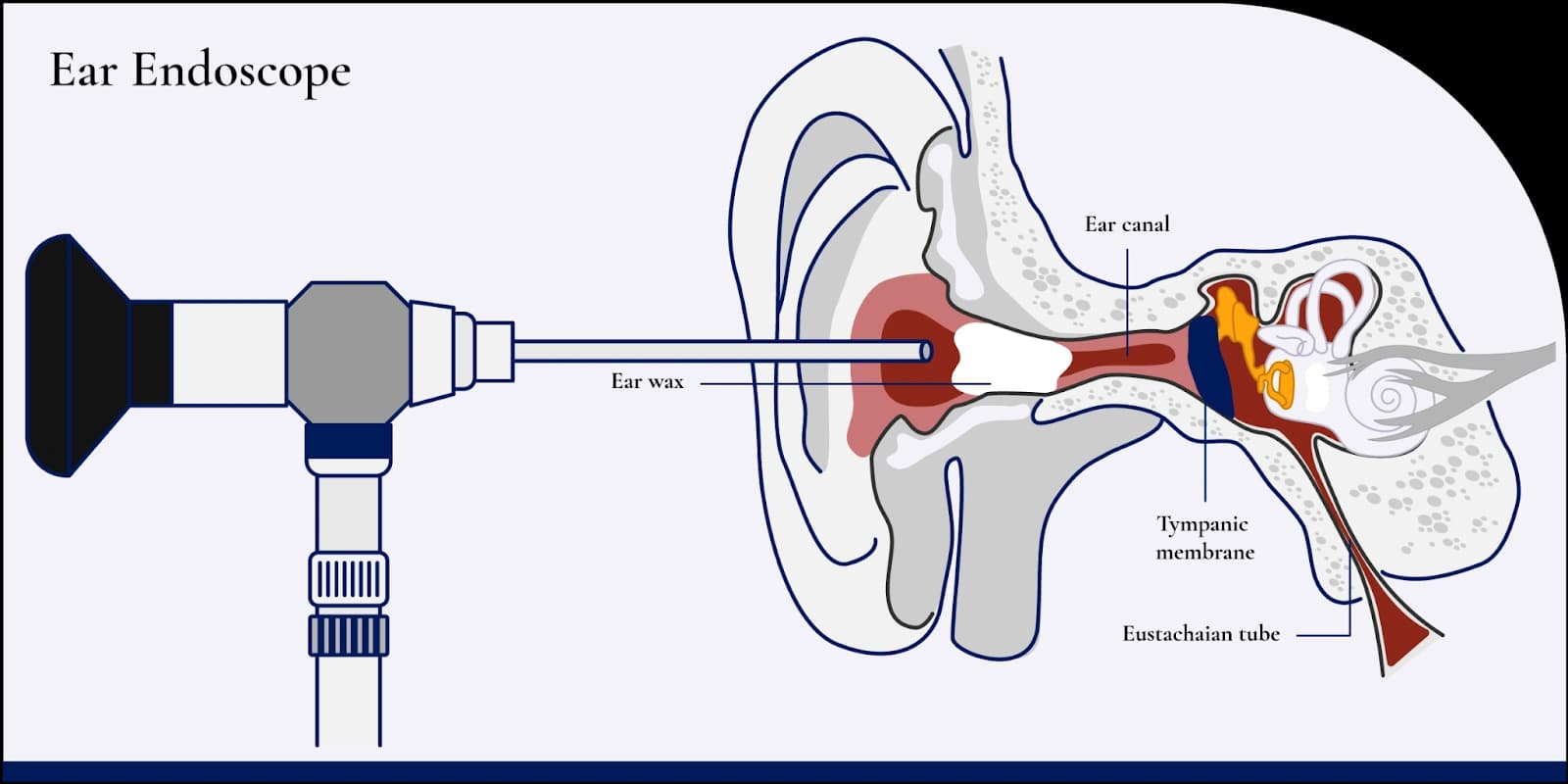
Vertigo can stem from several inner-ear and related conditions, and identifying the specific cause helps guide appropriate management. Some of the more common causes we assess include:
Brief episodes of spinning that are typically triggered by changes in head position, thought to be caused by tiny displaced particles within the inner ear.
A condition associated with changes in inner-ear fluid that may cause recurring episodes of vertigo, often alongside hearing changes, tinnitus, or a sense of ear fullness.
Inflammation of the vestibular nerve, which carries balance signals from the inner ear to the brain, often following a viral illness and usually causing sudden, sustained vertigo.
Inflammation affecting the inner-ear labyrinth that can disturb both balance and hearing, sometimes accompanied by nausea and unsteadiness.
Dizziness or vertigo that is linked to migraine, which may occur with or without a headache and can vary in duration between individuals.
A specialist assessment can be helpful when dizziness is recurrent, disruptive, or accompanied by other symptoms. You may wish to consider an evaluation if you identify with any of the following:

Because vertigo has several possible causes, Dr Soma follows a considered, step-by-step approach that starts with assessment and, where appropriate, moves to targeted therapies suited to your diagnosis.
Dr Soma begins with a thorough evaluation of your balance and inner ear before recommending any management. Depending on the likely underlying cause, this may involve:

When a specific cause is identified, Dr Soma may recommend one or more targeted therapies. The suitable option depends on your diagnosis and will be discussed with you:
Canalith Repositioning Manoeuvres
For positional vertigo such as BPPV, gentle guided head and body movements, for example the Epley manoeuvre, may help reposition displaced inner-ear particles. Many patients notice an improvement, though repeat sessions are sometimes needed.
Vestibular Rehabilitation Therapy
A structured programme of balance and gaze-stabilisation exercises designed to help the brain adapt and compensate over time. This is typically carried out progressively under guidance.
Ongoing Medical Review
For conditions such as Meniere's disease or vestibular migraine, longer-term management may include a medication review, dietary guidance, and periodic follow-up to monitor your symptoms.
A specialist assessment aims to identify the underlying cause of your symptoms so that management can be directed appropriately. Depending on your diagnosis, care may support:

Dr Soma is a Senior ENT Consultant fellowship-trained in endoscopic sinus and skull base surgery at The Ohio State University, USA, accredited by the Singapore Ministry of Health (MOH) and the Singapore Medical Council (SMC), with experience across a broad range of ear, nose, and throat conditions.
Because many causes of vertigo originate in the inner ear, the assessment includes a careful balance and inner-ear evaluation to help distinguish between the possible underlying conditions.
Management generally begins with the least invasive appropriate options. Where further investigation or onward referral would be helpful, this is discussed openly so you can make an informed decision.
Administrative support to obtain insurance approvals for surgery and admissions is provided by the clinic support team.
Our clinics are located at Paragon Medical Centre (Orchard) and Parkway East Specialist Hospital (Joo Chiat) for ease of access.
From obtaining a Letter of Guarantee (LOG) from your insurer to securing a pre-authorisation certificate, we’ll do the necessary paperwork for you.
Shield Plans:





Corporate Plans:






A thorough, unhurried consultation with Dr Soma, a Senior ENT Consultant fellowship-trained in endoscopic sinus and skull base surgery at The Ohio State University, USA, to understand your symptoms and medical history.
A balance and inner-ear evaluation, with hearing or positional tests where indicated, to help identify the likely cause of your dizziness.
A personalised management plan discussed with you, along with clear guidance on any recommended next steps or follow-up.
If you are experiencing recurrent vertigo or dizziness, our team can arrange a specialist assessment of the balance and inner-ear causes and discuss suitable next steps with you.
Dizziness is a general term that can describe light-headedness, unsteadiness, or a faint feeling. Vertigo refers more specifically to a false sensation that you or your surroundings are spinning or moving. Because the two can overlap, a specialist assessment helps clarify what you are experiencing and why.
Many causes of vertigo relate to the inner ear and can be managed once identified. Occasionally, dizziness can point to other conditions, which is why an assessment is helpful, particularly if symptoms are severe, persistent, or accompanied by other neurological signs. Your doctor can advise on whether further investigation is needed.
Most cases of vertigo are managed without surgery, through approaches such as repositioning manoeuvres, vestibular rehabilitation, or medical management, depending on the underlying cause. Surgery is uncommon and would only be considered in specific situations after careful evaluation.
Recovery varies depending on the underlying cause and the individual. Some positional causes may improve after repositioning treatment, while other conditions are managed over a longer period. Your doctor will discuss what you might reasonably expect based on your diagnosis.
A specialist consultation at our clinic starts from around $180, before any tests or procedures that may be recommended. Where applicable, our team can assist with Integrated Shield Plan claims, Letters of Guarantee (LOG), and Medisave paperwork.

ENT PLUS Specialist Centre Singapore
MBBCh (IRE) | DOHNS (ENG) | MMED-ORL (NUS) | FRCS-ORL (ENG)
Consultant ENT Specialist and Surgeon
Your Partner in Sinus, Allergy and ENT Health
Dr Soma Subramaniam is a MOH-accredited ENT specialist with fellowship training in endoscopic sinus and skull base surgery. He is Past President of the Singapore ENT Society and Founding President of the ASEAN Rhinologic Society. Dr Soma is committed to patient care, teaching, and advancing ENT knowledge through research and training the next generation of specialists.
321 Joo Chiat Place #05-01 Parkway East Specialist Hospital
Singapore 427990
Opening Hours
Monday–Friday: 9am – 5pm
Saturday: 9am – 12.30pm
290 Orchard Road #09-20/21 Paragon Medical Centre
Singapore 238859
Opening Hours
Monday–Friday: 9am – 5pm
Saturday: 9am – 12.30pm
Phone
+65 6517 9776
+65 6320 0353
(Calls only available during clinic opening hours)
+65 9856 8391
(Messaging only for appointment-related matters, no calls)
enquiry@entplus.sg