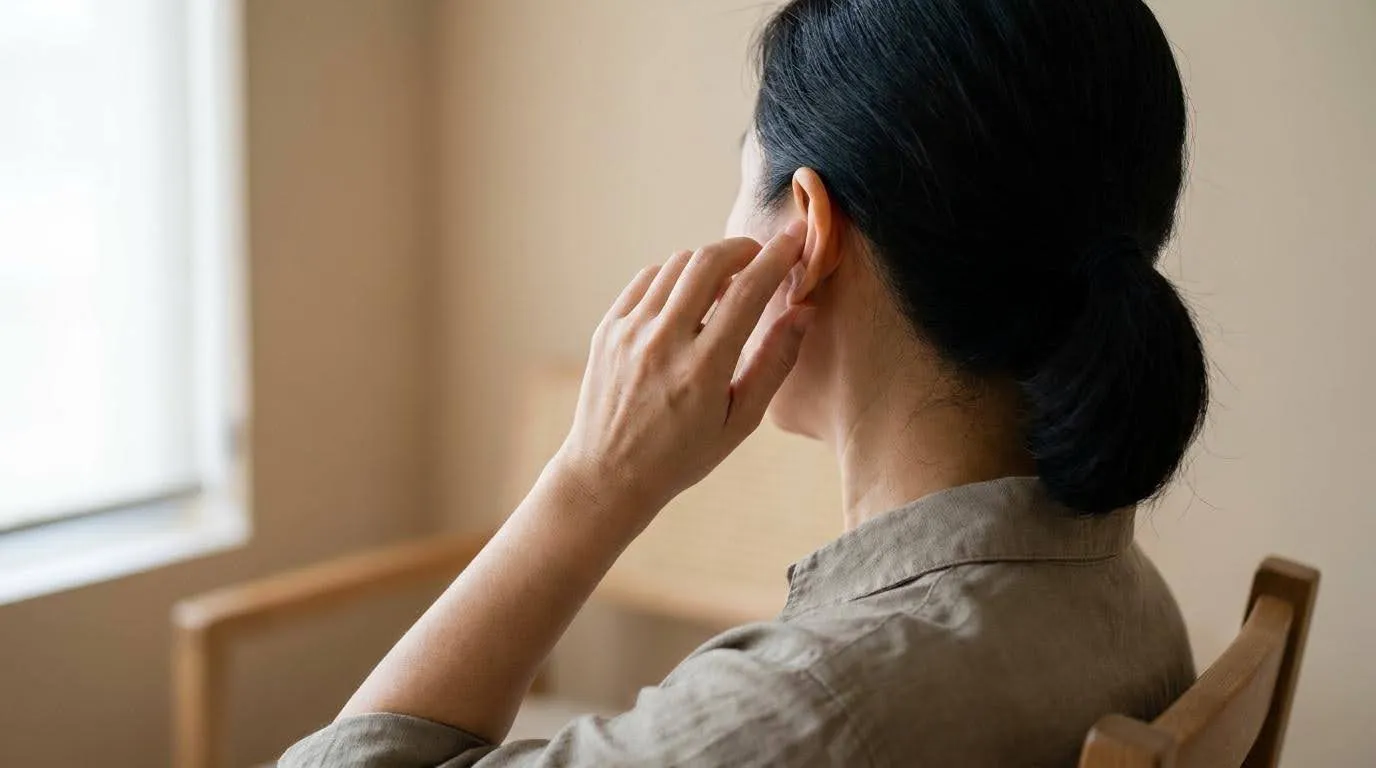


Loud, chronic snoring acts as a persistent alarm clock that completely disrupts the natural sleep cycles of both you and your partner. This noisy airway obstruction severely degrades sleep quality and leaves professionals exhausted during demanding work hours.
Targeted interventions like surgery for snoring offer a definitive anatomical correction for these disruptive tissue vibrations. Patients achieve lasting relief from poor sleep and daytime fatigue without relying on temporary nighttime gadgets or uncomfortable mouthpieces.
This guide details the available surgical options and explains who makes an ideal candidate for a permanent airway correction. Readers will also discover the logistics of navigating insurance claims to ensure a smooth administrative process and a fast recovery.
11 Effective Options In Surgery For Snoring

1. Septoplasty
A septoplasty directly straightens a deviated nasal septum to improve steady breathing. Surgeons reposition the bone and cartilage to open the nasal passages long-term. This targeted correction prevents the turbulent airflow that causes loud nasal snoring.
2. Turbinate Reduction
Turbinate reduction shrinks enlarged nasal tissues that block steady oxygen intake. This nasal surgery for snoring creates a wider airway to stop the mouth-breathing that triggers loud nighttime noises. Specialists typically perform this rapid procedure using advanced radiofrequency technology to minimise surrounding tissue damage.
3. Nasal Valve Collapse Repair
Nasal valve collapse repair strengthens the narrowest part of the nasal airway to prevent it from closing during inhalation. Specialists use cartilage grafts or implants to keep the passages open. A reinforced nasal valve ensures silent, consistent oxygen intake even during deep sleep phases.
4. Endoscopic Sinus Surgery
Endoscopic sinus surgery removes blockages and diseased tissue from the sinus cavities using a tiny camera.
This precise method restores natural airflow and reduces the severe airway resistance that forces disruptive snoring. The guided endoscopic approach eliminates the need for external incisions to accelerate the healing process.
5. Uvulopalatopharyngoplasty (UPPP)
Uvulopalatopharyngoplasty (UPPP) throat surgery for snoring removes excess tissue from the soft palate and pharynx. This procedure widens the airway specifically at the back of the throat. An expanded throat passage directly stops the loud soft tissue vibrations that cause severe nightly disruptions.
6. Radiofrequency Ablation
Radiofrequency ablation utilises heat energy to shrink obstructive, vibrating tissues in the nose or throat. The targeted heat creates scar tissue that naturally tightens the airway over time. The gradual tightening process provides a noticeable reduction in snoring volume within just a few weeks of treatment.
This comprehensive intervention serves as a highly reliable solution for patients who have failed standard CPAP therapy.
7. Tonsillectomy And Adenoidectomy

A tonsillectomy and adenoidectomy removes or shaves down the excessively enlarged tonsils and adenoids if they are blocking the airway. This combination effectively clears the path for normal oxygen flow. Surgeons often recommend this dual approach to eliminate the bulky tissues that rattle against each other during sleep, where appropriate.
Why Choose Surgery For Snoring Over Daily Medications?
Patients choose surgery for snoring to achieve a lasting anatomical correction instead of relying on temporary gadgets or sleep aids.
Definitive Anatomical Correction
A definitive anatomical correction resolves the physical root cause of the noisy airway blockage. You stop treating the symptoms and directly address the vibrating structural defect. This targeted approach completely removes the physical barrier that prevents quiet oxygen intake.
No More Temporary Snoring Aids Or Sprays
Patients eliminate their reliance on uncomfortable mouthpieces, chin straps, and chemical throat sprays after a successful procedure. This freedom removes the constant need to set up anti-snoring devices every night. Your body no longer has to rely on external crutches just to sleep quietly.
Uninterrupted Sleep For Both Partners
Uninterrupted sleep allows both you and your partner to rest peacefully through the night. A clear airway stops the disruptive noise that forces couples to sleep in separate bedrooms. Shared sleep without a loud snoring soundtrack dramatically improves household harmony and individual moods.
Better Daytime Energy And Productivity
Better daytime energy directly translates to sharper focus and higher productivity at work. Restored sleep cycles allow professionals to perform at their peak during important meetings. A fully rested brain processes complex analytical tasks much faster than a sleep-deprived one.
End To Temporary Symptom Relief
An end to temporary symptom relief means you no longer experience the frustrating return of loud snoring when a gadget falls out of place. The airway remains consistently open and quiet regardless of your sleeping position. You maintain clear breathing without constantly adjusting nighttime apparatuses.
Lower Long-Term Treatment Costs
Lower long-term treatment costs happen because you stop purchasing expensive replacement mouthguards or specialized pillows. A single surgical intervention is highly cost-effective over a lifetime. Patients redirect those ongoing healthcare expenses toward more rewarding lifestyle choices.
Prevention Of Worsening Sleep Apnea
Prevention of worsening sleep apnea stops loud snoring from developing into dangerous breathing pauses. Early surgical intervention protects your long-term cardiovascular health. Untreated airway obstructions place dangerous amounts of stress on the heart over decades.
Improved Focus At Work
Improved focus at work stems directly from deep and restorative sleep. Executives can process complex information faster when they are no longer waking up exhausted. Uninterrupted oxygen flow to the brain eliminates the persistent afternoon fatigue that plagues heavy snorers.
Freedom From Packing Sleep Aids
Freedom from packing sleep aids allows you to travel without carrying bulky CPAP machines or anti-snoring mouthpieces. You can confidently navigate business trips without worrying about your nightly setup. This convenience makes hotel stays and long-haul flights significantly less stressful.
Who Is The Ideal Candidate For Surgery For Snoring?

The ideal candidate for surgery for snoring includes adults suffering from severe nighttime noise that disrupts their daily lives and relationships.
Professionals Struggling With Disruptive Snoring
Professionals struggling with disruptive snoring are ideal candidates because their poor sleep directly impacts their careers. Surgery offers a definitive escape from constant nightly noise and daytime brain fog. A permanently quiet airway allows these executives to wake up refreshed and ready for high-stakes corporate environments.
Individuals With Structural Blockages
Individuals with structural blockages possess excess tissue that blocks the airway and causes loud vibrations. Anti-snoring pillows cannot fix the extra palate tissue or an enlarged uvula that blocks the throat. Only a targeted surgical procedure can properly trim or realign these physical obstructions.
Patients Failing Conservative Treatments
Patients failing conservative treatments need advanced intervention because standard anti-snoring gadgets no longer work. Their throat muscles have relaxed to a point that demands a surgical solution. These individuals require a definitive reset of their airway anatomy to achieve a truly silent night.
Partners Facing Second-Hand Sleep Deprivation
Partners facing second-hand sleep deprivation often push for this surgery to save their own health. The loud snoring heavily disrupts the household’s overall rest. A silent night restores the mental health, patience, and daily energy levels of the non-snoring spouse.
Frequent Travellers Sharing Hotel Rooms
Frequent travellers sharing hotel rooms benefit greatly because their loud snoring creates awkward professional situations with colleagues. A permanently quiet airway prevents the embarrassment associated with corporate trips. Business executives can sleep soundly without keeping their coworkers awake next door.
High-Performers Needing Better Sleep
High-performers needing better sleep require uninterrupted rest to maintain their competitive edge. Surgical correction promotes the deep sleep necessary for optimal cognitive function. This silent, uninterrupted recovery phase is necessary for professionals managing high-stress portfolios.
Adults Wanting A One-Time Solution
Adults wanting a one-time solution prefer a definitive procedure over a lifetime of symptom management. They value the efficiency of fixing the snoring directly at its source. A single surgical event is far more appealing than a lifetime of wearing restrictive sleep masks.
Executives Requiring Swift Recovery
Executives requiring swift recovery need minimally invasive options that do not disrupt their busy schedules. Modern techniques allow these professionals to return to the boardroom quickly. Advanced tools create minimal trauma to ensure the airway heals fast with reduced post-operative pain.
What To Expect During Your Surgery For Snoring

You can expect a structured medical process during your surgery for snoring, from the initial consultation to the final recovery.
Initial Clinic Consultations And Sleep Study report (where appropriate)
Patients undergo a thorough physical examination of their nasal passages and throat structure before any operation. Specialists use a tiny endoscope to map out the exact tissues causing the noisy airway obstruction. Sleep Study reports provide a precise blueprint for the surgical team to follow.
The Day Of The Surgical Procedure
Medical staff admit you to the clinic and administer the appropriate level of anaesthesia for your specific surgery. The actual operation typically lasts between one to three hours depending on the complexity of the anatomical correction. The surgical team monitors your vital signs constantly to maintain absolute safety.
Immediate Post-Operative Sensitivity in the nose and throat
Individuals usually wake up with a mild sore throat or a sensation of pressure around the treated airway. Doctors provide targeted pain relief to manage comfort before discharging you to rest at home. The clinical team also supplies detailed post-operative care instructions before you leave the recovery room.
Long-Term Healing And Airway Clearance
Full recovery happens gradually over a few weeks as the internal swelling completely subsides. You will notice a dramatic improvement in your quiet nighttime breathing and daytime energy levels once the tissues heal. The structural changes solidify over time to provide lasting relief from loud snoring.
Conclusion About Surgery For Snoring
A definitive surgery for snoring provides lasting relief from loud nighttime noises and disruptive sleep patterns. Silencing the airway vibrations finally restores your overall physical health and relationship harmony.
Dr. Soma offers targeted relief through advanced sleep surgery, comprehensive airway care, and specialised endoscopic skull base surgery. His extensive expertise supports every patient with a highly personalised anatomical correction to stop severe snoring.
Contact us today to schedule your comprehensive airway assessment!
Frequently Asked Questions About Surgery For Snoring
How Long Is The Recovery Period?
The recovery period generally spans one to two weeks depending on the specific procedure performed. Most patients safely return to their standard desk jobs within one to two weeks.
Will This Resolve Sleep Apnea Symptoms?
Surgery significantly reduces airway obstruction but it may not fully resolve severe cases of sleep apnea. Doctors often combine surgical interventions with other therapies to achieve optimal breathing results. This will be discussed further during the initial consultation.
Is The Surgery Painful?
Surgeons perform major throat procedures under general anaesthesia, while minimally invasive options like radiofrequency turbinate ablation utilise local anaesthesia. Clinical staff keep the patient completely comfortable during the operation and manage post-operative discomfort with appropriate oral painkillers.
Can Snoring Return After Surgery?
Snoring can occasionally return if the patient gains significant weight or experiences massive tissue changes as they age. A healthy lifestyle helps maintain the clear, quiet airway created by the initial procedure.
Will I Need Much Time Off Work?
You will typically need only a few days of medical leave for minimally invasive nasal procedures. Complex throat surgeries might require a full week to two weeks away from the office for proper healing.
Is The Treatment Covered By Insurance?
Most private health insurance policies and corporate benefits cover these procedures if they are deemed medically necessary to resolve breathing obstructions. Clinic coordinators assist with all the paperwork to secure your specific financial coverage.
Which Surgical Option Is Right For Me?
A comprehensive specialist consultation determines the exact surgical option based on your unique airway anatomy. The doctor visually inspects your throat and nasal passages to recommend the most effective targeted procedure.